

Menatetrenone
1.Product name: Menatetrenone
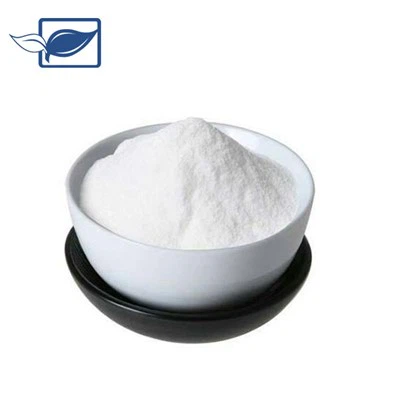
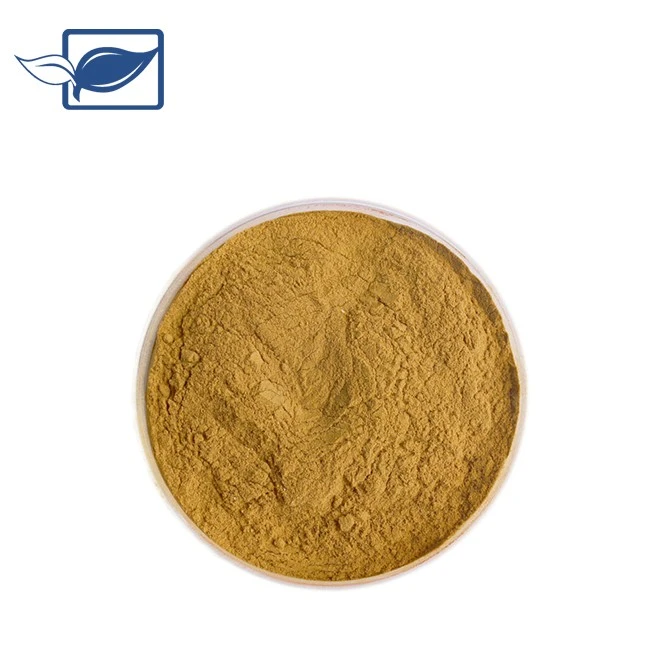
2.Appearance:Yellow powder
3.Molecular Formula: C31H40O2
4.Molecular Weight:444.65
5.CAS No.: 863-61-6
6.Purity: 99%
7.Test Method: HPLC
8.Payment method: TT, Western Union,Paypal,Pingpong,Xtransfer,ect.
9.Shelf Life: 2 years

Product Introduction
Menatetrenone is a yellow crystal obtained from acetone-ethanol or methanol-chloroform, molecular weight 580.90, melting point 51-52 ℃, insoluble in water, slightly soluble in oil, soluble in ethanol, ether, acetone, benzene, chloroform and other organic solvents, but its solubility is slightly poorer than vitamin K1. Decomposed by strong acid, oxidant, alkali and light. The structural formula of tetraenylmenaquinone is: Source Tetraenylmenaquinone (Vitamin K2) is widely found in green leaves and vegetables, but also in fish, meat, cheese and liver oil. It can be extracted from corn leaves and decaying fish, or synthesised from 2-methylnaphthoquinone-1,4.
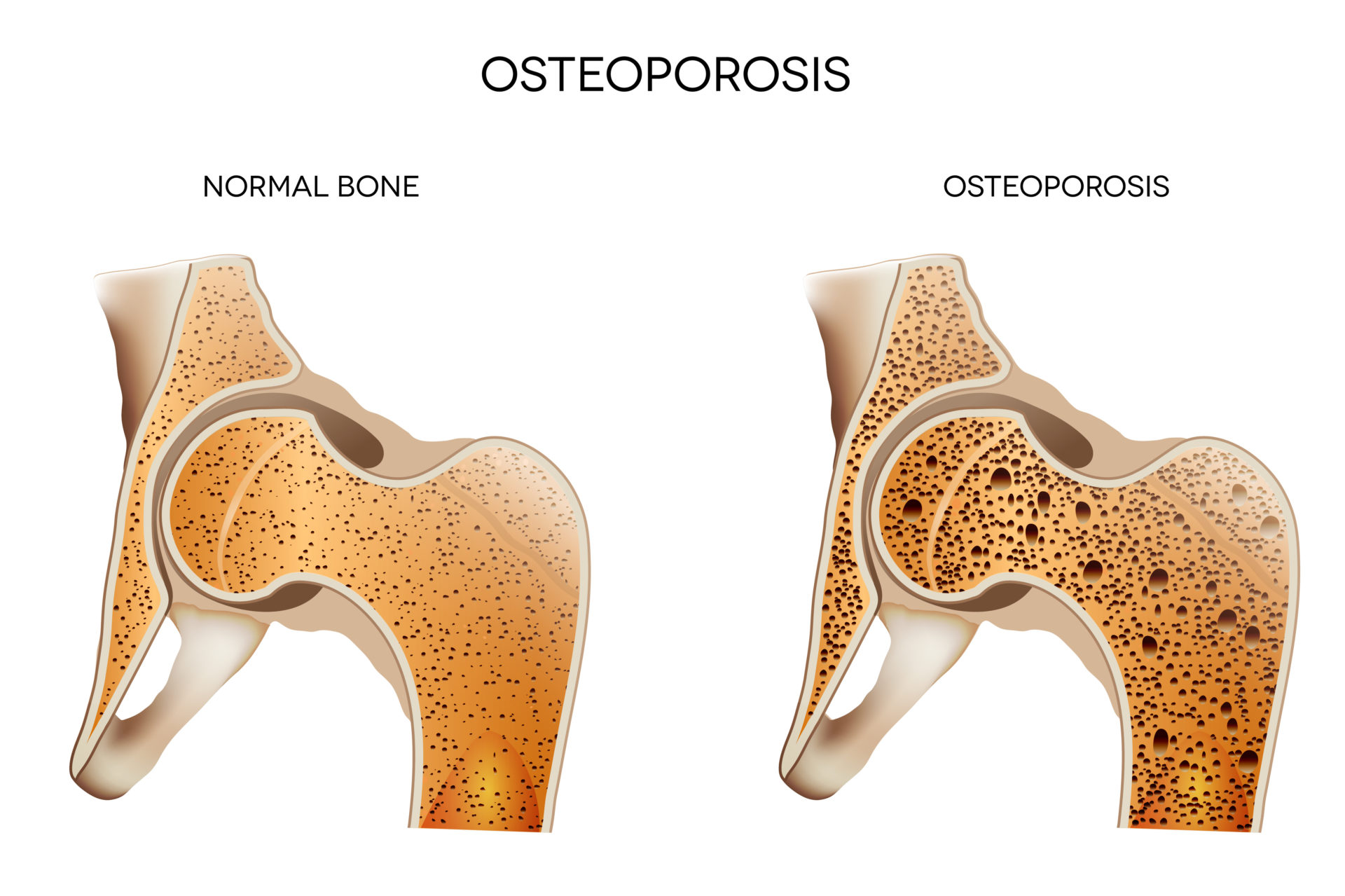
Vitamin K is a class of compounds with a quinone structure, which includes five classes of compounds with different structures, i.e., vitamin K1, K2, K3, K4, and K5.Vitamin K2 is a series of compounds in pale yellow crystals synthesised mainly by intestinal bacteria, of which there are a total of 14 depending on the length of the isoprenoid side-chain on C3, and the one used for the treatment of osteoporosis is mainly vitamin K2(20), i.e., tetracene Tetraenylmenaquinone. Studies have shown that tetrenone has osteogenic effects, promoting calcium metabolism, but also inhibit bone resorption caused by osteoclasts, thus increasing bone density and preventing osteoporosis. Tetranaphthoquinone is an oily substance and is easily decomposed in the presence of light, so it is suitable for soft capsule dosage form.
Product Photo and action

Physiological effects
Tetraenylmenaquinone, also known as vitamin K2, is a naturally occurring vitamin that contains the basic structure of menaquinone and has an anti-haemorrhagic effect. In 1929, Daim discovered that there are two types of vitamin K in nature, K1 and K2, both of which are naphthoquinones. Tetraenaphthoquinone is yellow crystal or oily liquid, insoluble in water, easily soluble in organic solvents and vegetable oils, heat-resistant, but easily destroyed by light. It can promote hepatic synthesis of plasminogen and regulate the synthesis of coagulation factors VII, IX and X, thus accelerating blood coagulation. In addition, it plays an important role in glucose phosphorylation in cells. In some bacteria (such as Mycobacterium), it can be used as a component of respiratory chain. In deficiency, the clotting time is prolonged, so in the presence of trauma, it bleeds. Bacteria in the intestinal tract of humans and animals can synthesise it, so it is generally not easy to get deficiency.
Mechanism of action
Tetraenylmenaquinone (vitamin K2) has a mechanism of action similar to that of vitamin K1, and is able to assist the enzyme gamma-glutamyl carboxylase in converting glutamate (Glu) to gamma-carboxyglutamate (Gla). This process is helpful in the production of Gla-proteins (proteins containing Gla), examples of which are as follows: osteocalcin: bone mineralisation GAS6: cell proliferation thrombin, anticoagulant proteins: blood homeostasis
Side effects
Sometimes stomach upset, nausea, vomiting, diarrhoea, abdominal pain, indigestion. Sometimes rash, redness of skin, itching, headache are seen. There may be elevated GOT, GPT, γ-GTP, BUN, etc.
Deficiency
Human intestinal bacteria can produce tetraenylmenaquinone (vitamin K2), so there is usually no risk of deficiency. However, if long-term use of sulfa drugs or antibiotics to inhibit the bacteria, or any cause of lipid malabsorption: such as bile duct obstruction, stool fat, tropical diarrhoea, pancreatic dysfunction, etc., will lead to vitamin K deficiency. Small, normally harmless injuries can cause bleeding to death in K-deficient animals. Therefore, patients with intestinal obstruction and bile duct obstruction must be injected with vitamin K before surgery. newborn babies with sterile intestinal lumen can also have K deficiency neonatal haemorrhage, which can continue until the intestinal lumen has bacteria. This can be prevented by prenatal injection of K into the pregnant woman. If injected directly into the newborn, it should not be given too much at a time, so as not to cause hyperbilirubinaemia and jaundice. Adults are not at risk of vitamin K deficiency as long as fat is well absorbed in the intestine. It is well known that patients with vitamin K deficiency have reduced thromboplastin in the blood and prolonged clotting time. Therefore, it is believed that the main function of K is to promote the synthesis of plasminogen in the liver. After many years of research, it was found that vitamin K also promotes the production of coagulation factors VII, IX, X, etc. in the liver. When there is a lack of K, the blood level of these coagulation factors will drop. Because of this, when suffering from liver cancer or cirrhosis, liver tissue is severely damaged and liver function is abnormal, even though vitamin K is given, it is still ineffective.
Product Application
Increasing bone mass in patients with osteoporosis.
Delivery & Packaging
We usual packaging the PS with foil bag powder 1kg/bag, export drum 25kg/drum.
Also accept customization service according your inquire.
As delivery,we can delivery product by courier,by sea, by air, ect.
The more details please check follow picture for reference:

If you have any question or inquire of Menatetrenone, please contact our mail:haozebio2014@gmail.com
Hot Tags: menatetrenone, suppliers, manufacturers, customized, wholesale, buy, bulk, high quality, low price, OEM service, MCC Powder, Magnesium Stearate Powder, Respiratory Digestive And Urinary System, Antimicrobial, Nervous System