


Apple Polyphenol Vs Givaudan Apple Extract: Which Apple Polyphenol Ingredient Is Better?
Apple Polyphenol vs Givaudan Apple Extract: Which Apple Polyphenol Ingredient Is Better?
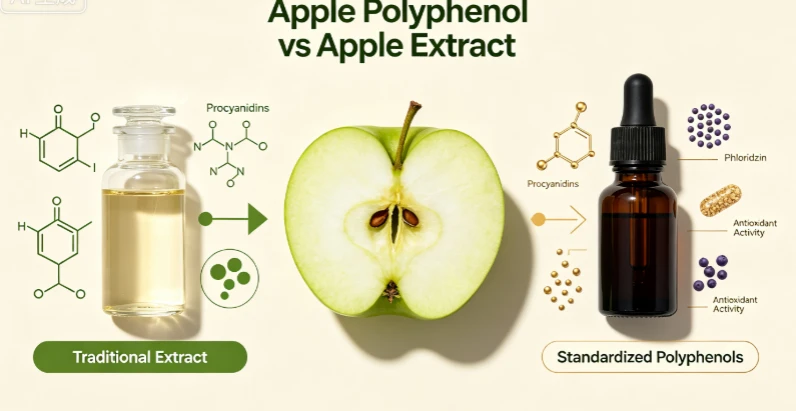
Discover a More Powerful Apple-Based Functional Ingredient for Next-Generation Health Products
The demand for plant-based functional ingredients is rapidly growing as consumers look for natural solutions that support antioxidant protection, healthy aging, beauty from within, and metabolic wellness. Among fruit-derived bioactives, apple polyphenols have gained increasing attention due to their unique profile of flavonoids, procyanidins, and phenolic compounds.
While traditional apple extracts from leading ingredient companies such as Givaudan have helped introduce apple-derived ingredients into the nutrition and beauty markets, brands today are seeking more specialized solutions with higher active compound focus, better standardization, and stronger functional positioning.
Apple Polyphenol is a premium standardized apple-derived ingredient designed to deliver concentrated bioactive polyphenols, including procyanidins, phloridzin, and other antioxidant compounds naturally found in apples. Compared with conventional apple extracts that may contain a broader range of apple components, Apple Polyphenol focuses on maximizing the functional value of apple's key active compounds.
For supplement brands, beauty-from-within companies, and functional food manufacturers, choosing the right apple ingredient is not only about the source - it is about active content, consistency, application potential, and consumer-perceived value.
In this article, we compare Apple Polyphenol vs. Givaudan Apple Extract and explore the key factors brands should consider when selecting a premium apple-based functional ingredient.

1. What Makes Apple Polyphenol Different from Traditional Apple Extracts?
Many apple extracts are positioned around the general benefits of apples, while Apple Polyphenol focuses on the concentration and standardization of specific active polyphenolic compounds.
For product developers, the key difference is not simply the apple source - it is the level of functional bioactive compounds delivered in the final ingredient.
Brands looking for premium antioxidant or beauty ingredients need more than a fruit extract; they need a standardized ingredient with a clear functional advantage.
2. How Does Apple Polyphenol Compare with Givaudan Apple Extract in Terms of Functional Value?
Givaudan is a recognized global supplier of botanical ingredients with extensive experience in plant-based solutions. However, brands today are increasingly looking beyond supplier reputation and focusing on:
Polyphenol concentration
Active compound profile
Scientific support
Application flexibility
Market differentiation
Apple Polyphenol allows brands to position products around a more targeted polyphenol-based solution rather than a general apple-derived ingredient.
3. What Health and Beauty Applications Can Apple Polyphenol Support?
Apple Polyphenol is gaining attention across multiple growing markets, including:
Beauty-from-within: supporting antioxidant protection and healthy skin appearance
Healthy aging: targeting oxidative stress management
Metabolic wellness: supporting products focused on glucose and lifestyle balance
Functional beverages: creating premium fruit-based wellness drinks
Nutritional supplements: developing next-generation botanical formulas
Its versatility makes it suitable for brands seeking multifunctional plant-based ingredients.
4. Why Are Brands Choosing Apple Polyphenol for New Product Development?
Today's consumers are looking for products that are:
Naturally sourced
Scientifically supported
Easy to understand
Connected to recognizable ingredients
Apple Polyphenol combines the trusted image of apples with the functional power of concentrated polyphenols, giving brands a strong opportunity to create premium products in competitive categories.
For companies developing the next generation of supplements, beauty nutrition, and functional foods, choosing the right apple-based ingredient can become a key factor in market success. Apple Polyphenol offers a compelling alternative for brands seeking a differentiated, high-value botanical solution.

Conclusion: Choosing the Right Apple-Based Ingredient for the Future of Functional Nutrition
As the demand for natural, science-driven, and premium botanical ingredients continues to grow, Apple Polyphenol represents a new opportunity for brands seeking to differentiate themselves in the competitive wellness market.
While traditional apple extracts provide the foundation of apple-based nutrition, Apple Polyphenol focuses on delivering a concentrated and standardized source of functional polyphenols, including procyanidins, phloridzin, catechins, and other bioactive compounds. This targeted approach allows brands to create more advanced formulations for beauty-from-within, healthy aging, metabolic wellness, and functional nutrition applications.
For product developers, the future of plant-based ingredients is not only about natural origin - it is about verified functionality, ingredient transparency, and measurable consumer value. By selecting a specialized Apple Polyphenol ingredient, brands can move beyond conventional fruit extracts and develop next-generation products that align with evolving consumer expectations.
As the market continues to expand, Apple Polyphenol provides a powerful platform for innovation, helping brands transform the trusted image of apples into a high-value functional solution.
References
Shoji, T., et al. (2021). Exploring the potential of apple (poly)phenols: A systematic review of randomized controlled trials on metabolic diseases prevention. Trends in Food Science & Technology.
Apple polyphenols contain multiple bioactive subclasses, including flavan-3-ols, procyanidins, phloridzin, and other phenolic compounds, with growing research interest in metabolic health applications.
Shoji, T., et al. (2020). Administration of Apple Polyphenol Supplements for Skin Conditions in Healthy Women: A Randomized, Double-Blind, Placebo-Controlled Clinical Trial. Nutrients.
A randomized controlled trial evaluating apple polyphenol supplementation and its effects on UV-induced skin pigmentation and skin-related parameters in healthy women.
Hara, Y., et al. (2017). Chronic administration of apple polyphenols ameliorates hyperglycaemia in high-normal and borderline subjects: A randomised, placebo-controlled trial. Diabetes Research and Clinical Practice, 129, 43–51.
A human clinical study investigating the impact of long-term apple polyphenol intake on glucose tolerance and postprandial glucose response.
Oyenihi, A. B., et al. (2022). "An apple a day keeps the doctor away": The potentials of apple bioactive constituents for chronic disease prevention. Journal of Food Science.
A comprehensive review summarizing apple bioactive compounds, including polyphenols such as procyanidins, phloridzin, and chlorogenic acid, and their potential health benefits.
