

Gabapentin
1.Product name: Gabapentin
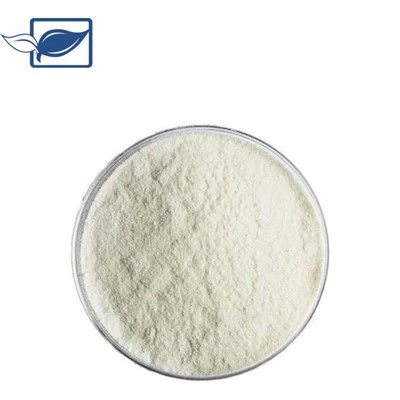
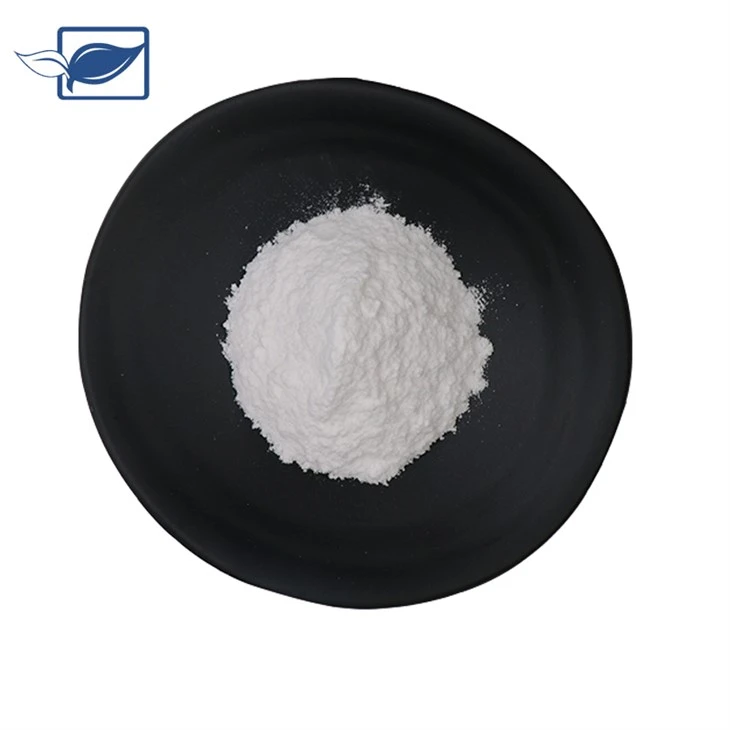
2.Appearance:White powder
3.Molecular Formula: C9H17NO2
4.Molecular Weight:171.237
5.CAS No.: 60142-96-3
6.Purity: 99%
7.Test Method: HPLC
8.Payment method: TT, Western Union,Paypal,Pingpong,Xtransfer,ect.
9.Shelf Life: 2 years

Product Introduction
Gabapentin is an anti-epileptic drug that can be used to treat post-herpetic neuralgia in adults and as an adjunctive treatment for partial-onset seizures with or without secondary generalized seizures in adults and children over 12 years of age and children aged 3 to 12 years. Gabapentin works by mimicking a naturally occurring neurochemical called gamma-aminobutyric acid (GABA), which helps reduce nerve pain or seizures caused by abnormal electrical activity.
| Common Name | Gabapentin | ||
|---|---|---|---|
| CAS Number | 60142-96-3 | Molecular Weight | 171.237 |
| Density | 1.1±0.1 g/cm3 | Boiling Point | 314.4±15.0 °C at 760 mmHg |
| Molecular Formula | C9H17NO2 | Melting Point | 162°C |
Product Photo and action

Gabapentin is a drug that is commonly used to treat the following conditions:
Epilepsy: Gabapentin can be used to control seizures, especially focal ones.
Neurological pain: This includes diabetic neuropathy and postherpetic neuralgia.
Hot flashes: Hot flashes, especially in menopausal women.
RLS: It can also be used to treat restless legs syndrome.
Gabapentin works by mimicking a naturally occurring neurochemical called gamma-aminobutyric acid (GABA), which helps reduce nerve pain or seizures caused by abnormal electrical activity.
Side effects:
Common: Drowsiness, dizziness, fatigue.
Severe: Increased risk of suicide, mood changes, eosinophilia, and systemic symptoms.
[Gabapentin Pharmacological Action] The mechanism of gabapentin's anticonvulsant effect is still unclear, but animal experiments suggest that gabapentin can inhibit epileptic seizures, similar to other marketed anticonvulsant drugs. The results of the maximum electric shock test in mice and rats, the benzotetrazole epilepsy seizure test, and other animal tests (such as genetic epilepsy models) suggest that gabapentin has anti-epileptic effects, but the relevance of these epilepsy models to humans is unclear. Gabapentin is structurally related to the neurotransmitter GABA, but does not interact with GABA receptors. Gabapentin can neither be metabolized into GABA or GABA agonists, nor is it an inhibitor of GABA uptake or degradation. Radioligand binding tests have found that gabapentin has no affinity for many common receptor sites when the concentration reaches 100 μM, including benzodiazepine receptors, glutamate receptors, NMDA receptors, quisqualate receptors, kainate receptors, strychnine-insensitive or -sensitive aminoacetic acid receptors, α1, α2 or β receptors, adenosine A1 or A2 receptors, M or N receptors, dopamine D1 or D2 receptors, H1 receptors, 5-hydroxytryptamine S1 or S2 receptors, opioid μ, δ or k receptors, voltage-sensitive calcium channel sites labeled with nitrendipine or diltiazem, and voltage-sensitive sodium channel sites labeled with frog toxin A 20-α-benzoate. Since the results obtained in several commonly used tests for evaluating the effects of drugs on NMDA receptors are opposite, there is currently no unified understanding of the effects of gabapentin on NMDA receptors.
[Gabapentin Storage] Sealed, avoid high temperature storage.
[Gabapentin Packaging specification] Aluminum plastic packaging.
[Gabapentin Expiration date] 24 months
Product Application
Gabapentin helps relieve pain and seizures by binding to the alpha-2-delta subunits of voltage-gated calcium channels in the brain and spinal cord, reducing the release of excitatory neurotransmitters such as glutamate and substance P.

Gabapentin Adverse reactions:
(1) Before taking the drug, you should pay attention to whether you are allergic to gabapentin.
(2) Patients with impaired renal function and the elderly should pay attention to reducing the dosage of the drug, and the reduction standard should be proportional to the creatinine clearance rate.
(3) Antacids can reduce the absorption of gabapentin by more than 20%, so it must be taken 2 hours after taking antacids.
(4) Gabapentin may cause pseudoproteinuria and leukopenia after oral administration.
(5) The elderly and those with renal insufficiency should reduce the dosage of the drug.
[Gabapentin Indications]
1. Post-herpetic neuralgia: used for the treatment of post-herpetic neuralgia in adults.
2. Epilepsy: used as an adjuvant treatment for partial seizures with or without secondary systemic seizures in adults and children over 12 years old. It can also be used as an adjuvant treatment for partial seizures in children aged 3 to 12 years old.
[Gabapentin Contraindications]
People who are known to be allergic to any of the ingredients in this drug and patients with acute pancreatitis should not take Gabapentin capsules. Gabapentin capsules are ineffective for patients with primary systemic seizures, such as absence seizures.
Delivery & Packaging
We usual packaging the PS with foil bag powder 1kg/bag, export drum 25kg/drum.
Also accept customization service according your inquire.
As delivery,we can delivery product by courier,by sea, by air, ect.
The more details please check follow picture for reference:

If you have any question or inquire of Gabapentin, please contact our mail:Jessie@haoyuan-bio.com
Hot Tags: gabapentin, suppliers, manufacturers, customized, wholesale, buy, bulk, high quality, low price, OEM service, MCC Powder, Respiratory Digestive And Urinary System, Magnesium Stearate Powder, Nervous System, Antimicrobial