

Tylosin Tartrate
1.Product name: Tylosin tartrate
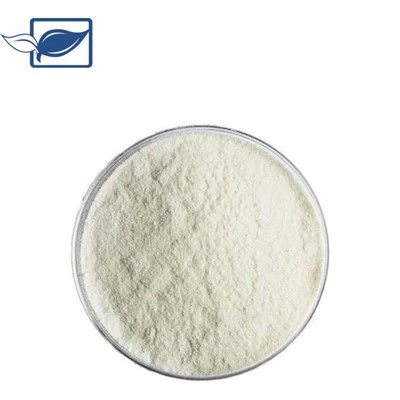
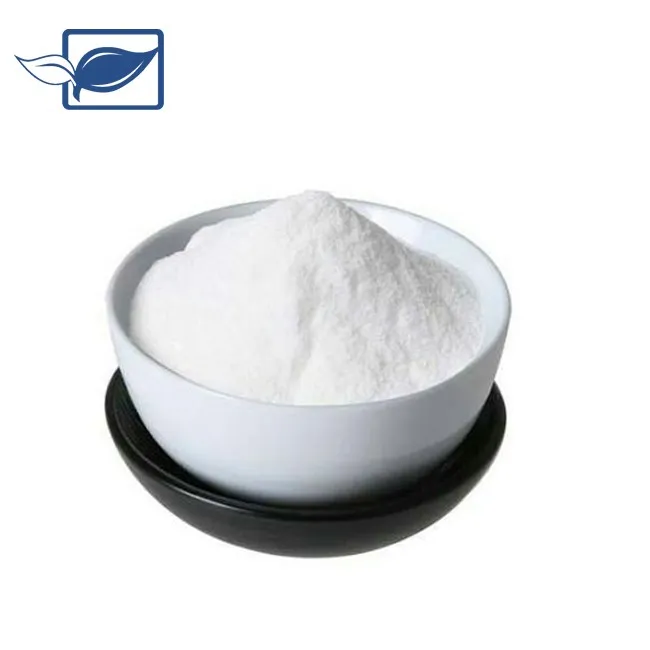
2.Appearance:White powder
3.Molecular Formula:C49H81NO23
4.Molecular Weight:1052.16
5.CAS No.: 74610-55-2
6.Purity: 99%
7.Test Method: HPLC
8.Payment method: TT, Western Union,Paypal,Pingpong,Xtransfer,ect.
9.Shelf Life: 2 years

Product Introduction
Tylosin tartrate is the tartrate salt of Tylosin, Tylosin (Tylosin) is a special antibiotic for livestock and poultry, Tylosin tartrate is a weakly alkaline compound extracted from the culture of Streptomyces. Tylosin is a weak alkaline compound extracted from the culture fluid of Streptomyces. Tylosin is often made into tartrate and phosphate in clinic. Tylosin tartrate is white or slightly yellow powder. Telocin tartrate is slightly soluble in water, and can be made into a water-soluble salt with acid, and the aqueous solution of this salt is stable in weakly alkaline and weakly acidic solutions.
Product Photo and action


Product Specification

Product Function
1,Mycoplasma diseases: It is mainly used for the prevention and control of Mycoplasma pneumonia in pigs (porcine asthma), Mycoplasma fowlis infection (also known as chronic respiratory disease of chickens), contagious pleuropneumonia in sheep (also known as Mycoplasma pneumonia in sheep), Mycoplasma avium and arthritis, Mycoplasma bovis mastitis and arthritis, and so on.
2,Bacterial diseases: It has good curative effect on diseases caused by many kinds of Gram-positive bacteria, and also has good curative effect on diseases caused by some Gram-negative bacteria. It is mainly used in the prevention and control of various purulent diseases caused by Staphylococcus aureus, mastitis of cattle and sheep caused by streptococcus, septicaemia of swine, arthritis, meningitis of piglets, equine glanders, traumatic infections and cervicitis, swine dengue caused by Bordetella, swine pneumonic disease caused by Pasteurella, bovine haemorrhagic septicaemia, avian cholera and Pasteurellosis of sheep, horses and rabbits, salmonellosis caused by a variety of livestock and poultry. Salmonellosis, pathogenic Escherichia coli caused by a variety of livestock and poultry colibacillosis, bronchial septic bacillus caused by chronic atrophic rhinitis in pigs.
3, spirochete diseases: swine dysentery caused by porcine spirochetes, goose spirochetes caused by avian spirochetal disease.
4,Anti-coccidiosis: it can prevent and control coccidiosis.
Pharmacology and Applications
Tylenol tartrate is effective against Gram-positive bacteria and some negative bacteria, but the effect is weak, and the effect on Mycoplasma is stronger, which is one of the macrolides with stronger effect on Mycoplasma. Resistance to tylosin-sensitive bacteria and mycoplasma is easy to produce, and can produce cross-resistance with erythromycin and other antibiotics of this class. Internal tylosin is better absorbed by tartrate, while phosphate is poorly absorbed. Tartrate is easily absorbed from the gastrointestinal tract (mainly the intestine) after internal administration. The peak blood concentration is reached 1h after internal administration to pigs, and the blood concentration of intramuscular injection or subcutaneous injection of equal amount of tylosin is 2-3 times higher than that of internal administration. The excretion rate of pigs is faster than that of poultry.
Pharmacological effects
[Pharmacodynamics] Tylenol tartrate is a macrolide antibacterial drug, do mycoplasma effect is stronger, effective against gram-positive bacteria and some negative bacteria. Sensitive bacteria are Staphylococcus aureus, Streptococcus pyogenes, Streptococcus pneumoniae, Corynebacterium pyogenes and so on.
[Pharmacokinetics] Intramuscular injection can be rapidly absorbed. Tylenol is widely distributed in the body after absorption as erythromycin, and the organ concentration of the drug given by injection is 2-3 times higher than that of internal administration, but it is not easy to penetrate into the cerebrospinal fluid. The apparent volume of distribution in dogs and cattle is 1.7L/kg and 1.1L/kg respectively.The concentration of tylosin in milk is about 20% of the serum concentration. Tylosin is excreted in urine and bile in its original form. The elimination half-life of the product is 0.9 hours for dogs and 0.95 to 2.3 hours for calves.
Adverse Reactions
(1) May be hepatotoxic, manifesting as biliary stasis, and may also cause vomiting and diarrhoea, especially when given in high doses.
(2) Irritant, intramuscular injection may cause severe pain, and intravenous injection may cause thrombophlebitis and perivenous phlebitis. Contraindications for compounding Tylenol can reduce the antibacterial effect of β-lactams. The combination of amide alcohols and tylosin will have antagonistic effect due to the competition for binding position, and aggravate liver damage, if must be used in combination, need to be separated by 3~4 h. Quinolones and tylosin combination, the efficacy of the drug will be reduced, and the side effects will increase. The combination of tamoxifen and tylosin will reduce the efficacy due to competition for the site of action. Quinuclidinol, zinc bacitracin, enramycin, guillamycin, virginiamycin, flavomycin, spiramycin, kanamycin, etc. are contraindicated for compounding with tylosin. Tylenol can increase the toxicity of poly(poly)ether anticoccidial drugs such as monensin, salinomycin, lasalomycin, hainanomycin and maduramycin. See also macrolides.
Product Application


Clinically, it is mainly used to prevent and control mycoplasma infections in chickens, turkeys and other animals, and has only a preventive effect but no therapeutic effect on mycoplasma in pigs. In addition, Tylenol is also used for pneumonia, mastitis, uteritis and enteritis caused by Staphylococcus aureus, Streptococcus pyogenes, Vibrio coli and spirochete infections, etc., but it has no obvious efficacy on E. coli, Bartonella and other infections. Tylosin can also be used in poultry to prevent coccidial infections and soak breeding eggs to prevent the spread of Mycoplasma turkeys.
Delivery & Packaging
We usual packaging the PS with foil bag powder 1kg/bag, export drum 25kg/drum.
Also accept customization service according your inquire.
As delivery,we can delivery product by courier,by sea, by air, ect.
The more details please check follow picture for reference:

If you have any question or inquire of Tylosin tartrate, please contact our mail:info@haozbio.com
Hot Tags: tylosin tartrate, suppliers, manufacturers, customized, wholesale, buy, bulk, high quality, low price, OEM service, L Threonine Powder, Genipin Powder, Fladrafinil Powder, Bulk Pepsin Powder, Aloxifene Hydrochloride Powder, Phenacetin Raw Powder